viernes, 20 de marzo de 2020

How to calculate probability

Find the probability of a single random event

  1. Choose an event whose results are mutually exclusive.
  2. Defines all events and results that could occur.
  3. Divide the number of events by the number of possible outcomes.
  4. Add the probabilities of all possible events so that you make sure they are equal to 1.
  5. Represents the probability of an impossible result with a 0.

Calculate the probability of various random events

  1. Take care of each probability separately to calculate the independent events.
  2. Consider the effect of previous events when calculating the probability of dependent events.
  3. Multiply the probabilities of each event separated from each other.

Convert odds to probabilities

  1. Set the odds as a proportion with the numerator being the positive result.
  2. Add the numbers to convert the odds to probabilities.
  3. Find the odds as if you were calculating the probability of a single event.

                           Resultado de imagen de probabilidad


Tools for measuring lengths

We will talk about the most common tools for measuring lengths, which are tools that you surely know since they are commonly used in many tasks or jobs where we need to calculate distances:

  • Tape measures or flexometers

Tape measures or flexometers are measuring instruments that consist of a flexible and graduated tape with the units of measure and their divisions.
This tape is usually a thin sheet of steel, aluminum, plastic, or fiberglass. In most cases, the tape can be rolled up, making it easy to transport.
                            Resultado de imagen de cinta metrica   Resultado de imagen de cinta metrica

  • Sonic distance meters (electronic ultrasound meters)
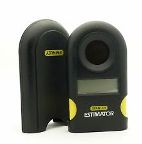
distanciometro sonico stanley estimatorSonic distance meters are electronic measuring instruments that consist of calculating the distance from the sound propagation speed principle.

To measure distances, these distance meters emit an ultrasound inaudible by the human ear. The wave bounces off the measurement obstacle and returns to the same distance meter, which also functions as a receiver. Depending on the elapsed time, the meter determines the distance on the basis that the speed of sound is more or less stable.


  • Laser distance meters (electronic laser meters)

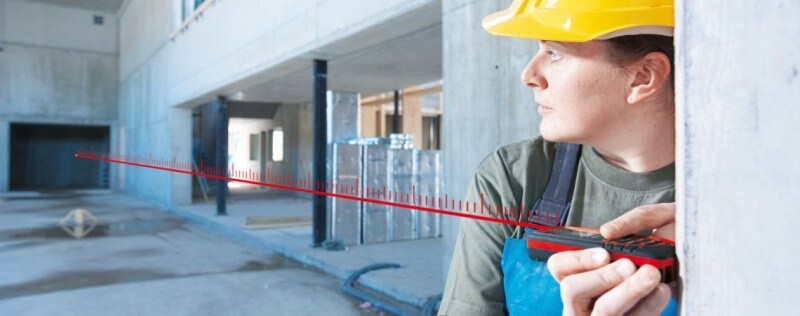
Laser distance meters are electronic measuring instruments that consist of calculating the distance from the phase measurement principle of pulsed light.

To measure distances, laser diodes emit a light signal. From here, the distance meter calculates the time it takes for the light signal to go back and forth. From this data, the distance is calculated, since the speed of light is constant.
        Resultado de imagen de distanciometro laserResultado de imagen de distanciometro laser

Resultado de imagen de topometro
  • Topometers
A topometer is a measuring instrument that consists of calculating the distance traveled. This is done using a wheel, which calculates the distance traveled from the number of turns of the wheel and its perimeter.

jueves, 19 de marzo de 2020

Didactic´s Apps

Tool box

As its name implies, it contains a set of tools, exactly 23 tools that you can use for different needs, including some to measure distance.

Among the utilities you can find from rulers, altimeters to conversion utilities or a calculator.

These are the tools you have with this application:

Resultado de imagen de tool box appCompass.
Leveler.
Length measurement tools.
Conveyor.
Vibrometer.
Magnetic field detector.
Altimeter.
GPS locator.
Heart rate monitor.
Lantern.
Unit converter.
Magnifying glass.
Calculator.
Abacus.
Accountant.
Punctuation.
Roulette.
Code bar scanner.
Mirror.
Radio.
Chronometer.
Watch.
Metronome.

It is one of those applications that it always comes in handy to have the phone to be ready for any occasion.

Only available for Android systems.

martes, 17 de marzo de 2020

Welcome to my blog

Hi everyone and welcome to my blog. In this space we will be able to enjoy my own reflections about the subject of Didactics of Measurement. In addition, I will share with you some interesting elements such as educational Apps, websites, articles, etc.

Welcome back! – Asesoría Lenguas Extranjeras

My Piktochart task